


Supporting Emergency Responders' Mental Health Outdoors
Updated: Mar 6
Emergency responders face unique challenges that can take a toll on their mental health. The nature of their work often involves high-stress situations, exposure to trauma, and long hours, which can lead to burnout, anxiety, and depression. As we strive to support these brave individuals, one effective approach is to harness the healing power of nature. This blog post explores how outdoor activities can play a crucial role in enhancing the mental well-being of emergency responders.
Understanding the Mental Health Challenges of Emergency Responders
Emergency responders, including firefighters, paramedics, and police officers, often witness traumatic events that can leave lasting psychological impacts. Studies have shown that these professionals are at a higher risk for mental health issues compared to the general population. Some common challenges include:
Post-Traumatic Stress Disorder (PTSD): Many responders experience PTSD due to the traumatic incidents they encounter.
Burnout: The demanding nature of their work can lead to emotional exhaustion and a sense of detachment.
Anxiety and Depression: The constant pressure and exposure to distressing situations can contribute to feelings of anxiety and depression.
Recognizing these challenges is the first step toward providing effective support.
The Benefits of Nature for Mental Health
Research has consistently shown that spending time in nature can have profound effects on mental health. Here are some key benefits:
Stress Reduction: Nature has a calming effect that can help reduce stress levels. The sights and sounds of the outdoors can promote relaxation and lower cortisol levels.
Improved Mood: Exposure to natural environments can enhance mood and increase feelings of happiness. This is often attributed to the beauty of nature and the physical activity involved in outdoor activities.
Enhanced Focus: Nature can help improve concentration and cognitive function, making it easier for responders to process their experiences and emotions.
Outdoor Activities for Emergency Responders
Incorporating outdoor activities into the routine of emergency responders can be a game-changer for their mental health. Here are some practical suggestions:
Hiking
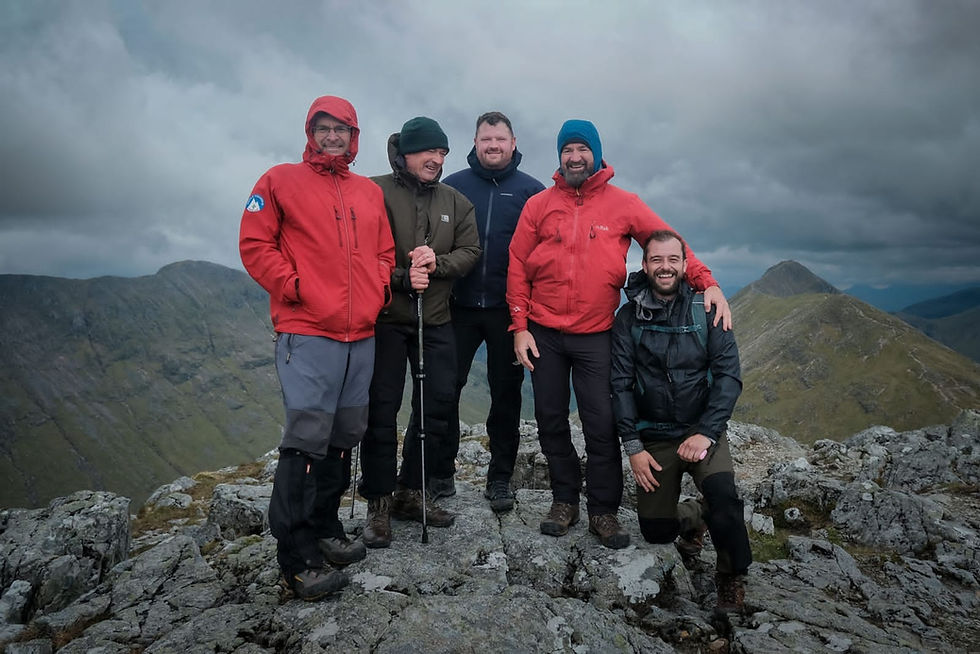
Hiking is an excellent way for responders to connect with nature while engaging in physical activity. It provides an opportunity to clear the mind, enjoy scenic views, and experience the therapeutic effects of being outdoors. Local trails can be explored individually or in groups, fostering camaraderie among colleagues.
Team-Building Retreats
Organizing team-building retreats in natural settings can strengthen bonds among responders while promoting mental well-being. Activities such as camping, kayaking, or rock climbing can encourage teamwork and provide a break from the daily grind. These retreats can also include workshops focused on mental health awareness and coping strategies.
Mindfulness in Nature
Practicing mindfulness in natural settings can help responders develop coping mechanisms for stress. Simple activities like meditation, deep breathing exercises, or yoga can be done outdoors, allowing responders to focus on the present moment and cultivate a sense of peace.
Gardening Programs
Creating community gardens or participating in gardening programs can provide a therapeutic outlet for responders. Gardening has been shown to reduce stress and improve mood, making it a valuable addition to mental health support initiatives.
Implementing Outdoor Programs
To effectively implement outdoor programs for emergency responders, organizations should consider the following steps:
Assessing Needs
Conduct surveys or focus groups to understand the specific needs and preferences of responders. This feedback can help tailor outdoor programs to meet their interests and schedules.
Collaborating with Mental Health Professionals
Partnering with mental health professionals can ensure that outdoor programs are designed with psychological well-being in mind. These experts can provide guidance on best practices and facilitate workshops on mental health awareness.
Creating a Supportive Environment
Fostering a culture that prioritizes mental health is essential. Encourage open discussions about mental health challenges and promote the benefits of outdoor activities. This can help reduce stigma and create a supportive environment for responders.
Providing Resources
Ensure that responders have access to resources such as outdoor gear, transportation, and information about local trails and activities. Providing these resources can make it easier for them to participate in outdoor programs.
Conclusion
Supporting the mental health of emergency responders is crucial for their well-being and the effectiveness of their work. By harnessing the healing power of nature through outdoor activities, we can provide valuable support to these individuals who dedicate their lives to serving others.
Encouraging outdoor engagement not only promotes mental health but also fosters camaraderie and resilience among responders. As we move forward, let us prioritize the mental well-being of our emergency responders and recognize the transformative impact of nature on their lives.
Take the next step: If you are involved in supporting emergency responders, consider implementing outdoor programs in your organization. Together, we can create a healthier, more supportive environment for those who serve our communities.

Comments